Authentic food tours offer a unique window into a region’s culinary heritage. Participants engage with local food and discover traditional recipes that have been passed down through generations. These experiences provide not just a taste of local dishes, but also a deeper understanding of the culture and community behind the food.
Exploring local markets and dining with families can transform a trip into a memorable adventure. Food tours often highlight regional ingredients and cooking methods, creating a genuine connection to the cuisine. By immersing oneself in the local food culture, a traveller can gain insights that typical dining experiences might miss.
For those seeking a true taste of their destination, authentic food tours serve as an invitation to savour more than just flavours; they reveal the stories and traditions that shape a community’s identity. Whether one is a seasoned foodie or a curious traveller, these tours encourage appreciation for the art of cooking and the significance of shared meals.
Discovering Local Food Scenes
Exploring the local food scene allows for an authentic experience that captures the essence of a region’s culture. Three key aspects contribute significantly to this culinary journey: the vibrant street food options, the lively atmosphere of bustling markets, and the contrast between fine dining and traditional eateries.
The Role of Street Food in Urban Gastronomy
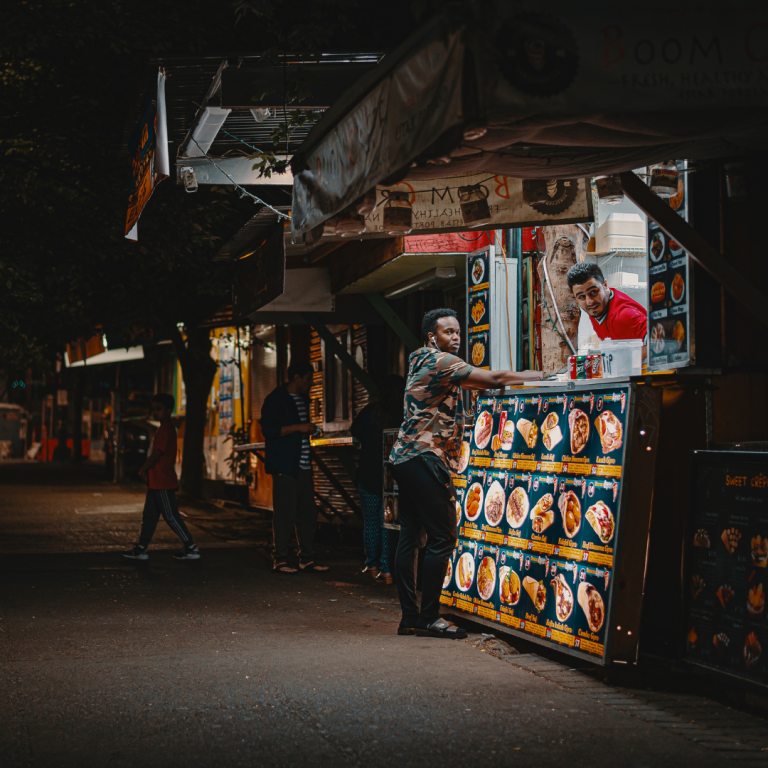
Street food serves as a window into the local culinary heritage. Vendors often prepare traditional dishes using age-old recipes, reflecting the region’s identity. This accessible dining option offers a sense of community and connection, allowing individuals to enjoy flavours right where they are made.
Popular street food items vary from region to region. For instance, tacos in Mexico City, satay in Jakarta, or crêpes in Paris each tell a story of local ingredients and cooking traditions. These foods not only satisfy hunger but also foster cultural exchange among residents and visitors alike.
Bustling Markets as Taste Centres
Markets are essential hubs for discovering a region’s gastronomic treasures. They provide an abundance of local produce, meats, and spices that are fundamental in creating traditional meals. Visitors can engage with local vendors, gaining insights into the history and significance of various ingredients.
In markets, tasting sessions often occur, encouraging the exploration of flavours. Examples include the Borough Market in London or the Mercat de Sant Josep de la Boqueria in Barcelona. These venues not only boast fresh food but also host events, cooking demonstrations, and workshops, making them crucial in the food scene.
Fine Dining Versus Traditional Eateries
Fine dining establishments offer a curated experience, presenting innovative dishes that elevate local ingredients. Chefs at these restaurants often reimagine traditional recipes, showcasing culinary artistry. Places like The Fat Duck in Bray exemplify this by fusing modern techniques with classic flavours.
Conversely, traditional eateries focus on serving authentic dishes that reflect the region’s culinary past. Small family-run restaurants often provide a more intimate and genuine atmosphere, where diners experience heritage in every bite. Each type of venue contributes uniquely to understanding the local food culture, offering distinct yet complementary perspectives.
Signature Dishes and Recipes
Exploring signature dishes and recipes is a gateway to understanding different cultures. Each cuisine offers unique flavours, techniques, and histories that shape the culinary landscape.
Must-Try Dishes Across Different Cultures
Each culture boasts signature dishes that are essential to experience. In Spain, paella stands out, a saffron-infused rice dish often filled with seafood, chicken, or vegetables. In Italy, risotto provides a creamy texture, often flavoured with mushrooms or saffron, showcasing regional ingredients.
Japan highlights sushi, an artful combination of vinegared rice with various fillings like fish or vegetables. Indian cuisine features biryani, a fragrant rice dish layered with marinated meats and aromatic spices.
Tacos from Mexico encapsulate local flavours with tortillas filled with various meats and garnished with fresh herbs. These dishes serve as culinary ambassadors, deeply rooted in local traditions.
The Art of Cheese and Wine Pairings
Cheese and wine pairings create an exquisite dining experience. Cheddar, with its sharpness, pairs well with a robust Cabernet Sauvignon. For a milder option, Brie complements a soft Chenin Blanc, enhancing its creamy texture.
Blue cheese, with its pungent flavour, is ideally matched with a sweet Port. Goat cheese, often tangy, finds its match in a crisp Sauvignon Blanc.
In France, the selection is vast, including classic combinations such as Comté with Chardonnay. Understanding these pairings enriches the tasting experience, highlighting the unique properties of each ingredient.
Local Specialties and Their Histories
Local specialities often reflect the history and culture of a region. For instance, tapas in Spain originated as small plates served with drinks, allowing patrons to sample various flavours. This style promotes sharing and socialising, which is integral to Spanish culture.
Bangers and mash, a British staple, has roots in working-class history, offering a hearty, affordable meal.
In Thailand, Pad Thai is known for its balanced flavours, with a history tied to street food culture and economic development. Each local dish carries stories, showcasing unique ingredients, preparation methods, and cultural significance.
Culinary Experiences Beyond the Plate
Food tours offer a unique chance to engage with local culture, flavours, and culinary techniques. Participants gain insights into the regions they explore while savouring authentic dishes. The following aspects highlight the enriching experiences available beyond just the food served on the plate.
The Appeal of Food and Wine Tours
Food and wine tours are designed to immerse participants in a region’s gastronomic heritage. These experiences often include visits to local markets, vineyards, and artisanal producers. Tour-goers gain knowledge about traditional cooking methods and regional wine pairings.
Participants may also enjoy tastings that highlight the uniqueness of local ingredients. Learning about food sourcing encourages a deeper appreciation for culinary craftsmanship. Additionally, social interactions with local producers foster a sense of community and connection to the region.
Cooking Classes with Local Chefs
Cooking classes led by local chefs provide hands-on learning about regional culinary techniques. Participants might learn to prepare traditional dishes using indigenous ingredients. The classes often emphasise the importance of seasonality and sourcing local foods.
Many classes incorporate storytelling, where chefs share insights about their culinary backgrounds and the culture surrounding the dishes. This engagement encourages participants to connect with local customs. Ultimately, these experiences empower individuals to recreate authentic meals at home, extending their culinary journey.
Culinary Scene Insights
Exploring a destination’s culinary scene offers valuable context for its food culture. Insights into regional dining trends, popular eateries, and emerging chefs enhance the overall experience. Knowledge of different food movements, such as farm-to-table or sustainability, allows participants to appreciate their meals further.
Local food festivals can also provide a glimpse into the area’s culinary diversity. By engaging in discussions with chefs and local food enthusiasts, tourists gain a richer perspective on the flavours that define the region. This understanding fosters a greater respect for the culinary traditions observed throughout their journey.
Joining Authentic Food Adventures
Engaging in authentic food adventures offers a unique opportunity to explore local cuisine beyond typical offerings. These experiences often reveal hidden gems and are enriched by the insights of local guides.
Hidden Gems and Authentic Experiences
Participants in food tours often discover lesser-known establishments that serve authentic dishes. These hidden gems, such as family-run restaurants and markets, provide a glimpse into local culinary traditions.
Food adventures focus on experiences that go beyond mere tasting. They may include visits to local farms or workshops where regional dishes are prepared and shared. This immersion allows participants to appreciate the cultural significance behind the flavours.
Additionally, exploring local eateries and street food stalls showcases the diversity of ingredients and techniques unique to the region. This exploration provides an authentic experience that generic tourist cuisine cannot replicate.
Guided Tours by Local Experts
Joining guided tours led by local experts enhances the authenticity of the food adventure. Local guides possess invaluable insights about the history and significance of the dishes.
These group tours typically feature small numbers, fostering a more personal experience. Participants can engage actively with the guide, asking questions and learning about the culinary landscape.
Local guides often introduce participants to special or seasonal dishes that may not be widely known. They are key to connecting with the community, showcasing the vibrant food scene through their insider knowledge.
Such tours frequently include tastings at various stops, allowing participants to savour a range of flavours. This structure ensures a comprehensive and enjoyable food quest, immersing everyone in the local culinary culture.